
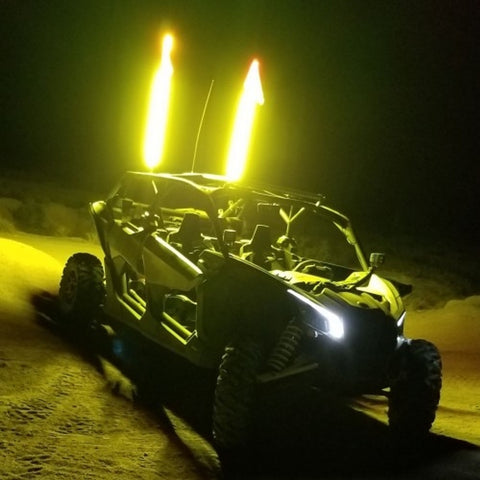
Best UTV Light Ba...
Sep 18, 2026

If you're shopping for Polaris Ranger doors, you've probably already noticed the factory setup leaves a lot to be desired once the weather turns or the trail gets messy. Most Rangers ship with open sides or basic half-doors, which work fine on a dry summer afternoon but fall short the moment you're dealing with rain, cold wind, mud spray, or brush. This guide walks through the real differences between door types, what to actually look for before buying, and how to match a set to the way you use your Ranger.
This breakdown is based on what Ranger owners consistently report holding up across seasons of real farm, trail, and work use - not just what looks good in a product photo.
Factory Rangers typically come with either no doors, mesh cargo-style doors, or basic half-doors depending on trim. These do a reasonable job of keeping you inside the cab, but they don't seal against dust, wind, or rain in any meaningful way. If you're using your Ranger through fall and winter, running dusty job sites, or just tired of mud spray coming through the gaps, upgraded doors are one of the highest-impact comfort upgrades available.
This is the first real decision to make, and it comes down to how you use the machine.
Soft doors are typically made from heavy-duty vinyl or coated fabric stretched over a frame. They're lighter, cheaper, and easier to remove and store, which makes them a good fit for riders who want weather protection in cooler months but prefer an open-air feel in summer. The trade-off is that they offer less impact protection and can wear faster if you're constantly getting in and out.
Hard doors are built from aluminum or heavy-gauge plastic composite and mount more permanently. They hold up better to brush, branches, and general abuse, seal more effectively against wind and rain, and generally look and feel closer to an enclosed cab. They cost more and are heavier to remove, but for anyone running the Ranger daily through rough conditions, they're usually the better long-term investment.
Plenty of owners end up running both - soft doors for summer and hard doors once the weather turns - rather than picking one for good. Browse our Polaris Ranger doors to compare both styles side by side.
Beyond the soft/hard decision, doors also vary in coverage.
Half doors cover roughly the lower portion of the door opening, leaving the upper section open or covered only by a net. They're a reasonable middle ground — better than nothing, easier to see and reach through, but still let in a fair amount of wind and dust.
Full doors enclose the entire opening, typically with a window section for visibility. They provide meaningfully better weather sealing and are the better choice if you're pairing doors with a roof or full cab enclosure for serious cold-weather use.
Not all doors in the same category are built equally. A few things worth checking before you buy:
Window type and visibility — clear polycarbonate windows hold up better to scratching than basic vinyl, and matter more than people expect for safety when backing up or navigating tight trails
Latching and locking mechanism — look for a positive-latch design that won't rattle loose over rough terrain, and consider whether the doors lock if security is a concern
Sealing at the frame — rubber gasket seals around the door frame make a real difference in keeping dust and rain out compared to doors that simply bolt onto the cage without a seal
Ease of removal — quick-release pins are worth paying extra for if you plan to swap doors seasonally rather than leave them on year-round
UV and weather resistance — cheaper vinyl doors can crack or fade faster under constant sun exposure, so check what the material is actually rated for
Polaris Ranger doors are not universally interchangeable across the lineup. Cab width, door opening dimensions, and mounting points vary between the standard Ranger, the XP 1000, and Crew models with the extended cab. Model year matters too, since Polaris has revised cage dimensions across generations. Always confirm the doors you're looking at are listed for your specific Ranger model and year before ordering - this is the single most common mistake buyers make when shopping for doors online.
Most aftermarket Ranger doors are designed for a bolt-on or clamp-on installation that doesn't require drilling into the factory cage, which keeps the job manageable in an afternoon for most owners. A few things to keep in mind:
Test-fit the doors before fully tightening any hardware, since small adjustments are much easier before everything is locked down
Check that the door swings and latches cleanly through its full range before your first ride
If running soft doors, avoid over-tightening zippers or snaps in cold weather, since some materials become more brittle at low temperatures
Apply a light coat of silicone-based protectant to vinyl doors periodically to prevent cracking
Doors do the most work when they're paired with a couple of other accessories. A roof closes off the top of the cab and makes a much bigger difference in comfort when combined with doors than either upgrade does alone. For owners running the Ranger through genuine winter conditions, a full cab enclosure takes things a step further, effectively sealing the cab almost completely when paired with a heater.
Rinse mud and dust off both soft and hard doors after wet rides to prevent buildup in hinges and latches
Check hinge hardware periodically for loosening from vibration on rough terrain
Store soft doors indoors during extreme heat or cold when the vehicle isn't in regular use, to extend material life
Lubricate latch mechanisms occasionally to keep them operating smoothly
If you're deciding between soft and hard doors and can only choose one, hard doors are generally the better first purchase for anyone using the Ranger through multiple seasons, since they hold up to more abuse and seal better against weather. Soft doors are a good secondary option once you want a lighter, removable set for summer.
No - fitment varies by model (base Ranger, XP 1000, Crew) and by model year due to differences in cage dimensions. Always check the listed compatibility for your specific Ranger before ordering.
Yes, doors and a roof are independent upgrades and work fine on their own. That said, most owners find the combination of both provides significantly better weather protection than either one alone.
Doors with a proper window section shouldn't meaningfully affect visibility. Mesh or solid panel doors without windows can reduce side visibility somewhat, which is worth considering if you do a lot of tight-trail or work-site driving.
Choosing the right Polaris Ranger doors comes down to matching the door type to how you actually use the machine - soft doors for flexibility and lighter-duty protection, hard doors for daily abuse and serious weather sealing, and half versus full coverage depending on how much enclosure you actually want. Whichever direction you go, confirming fitment for your specific trim and model year is the step that saves the most hassle down the line.
Browse our full Polaris Ranger doors collection to find the right fit for your machine.

Sep 18, 2026

Sep 16, 2026

Sep 12, 2026
